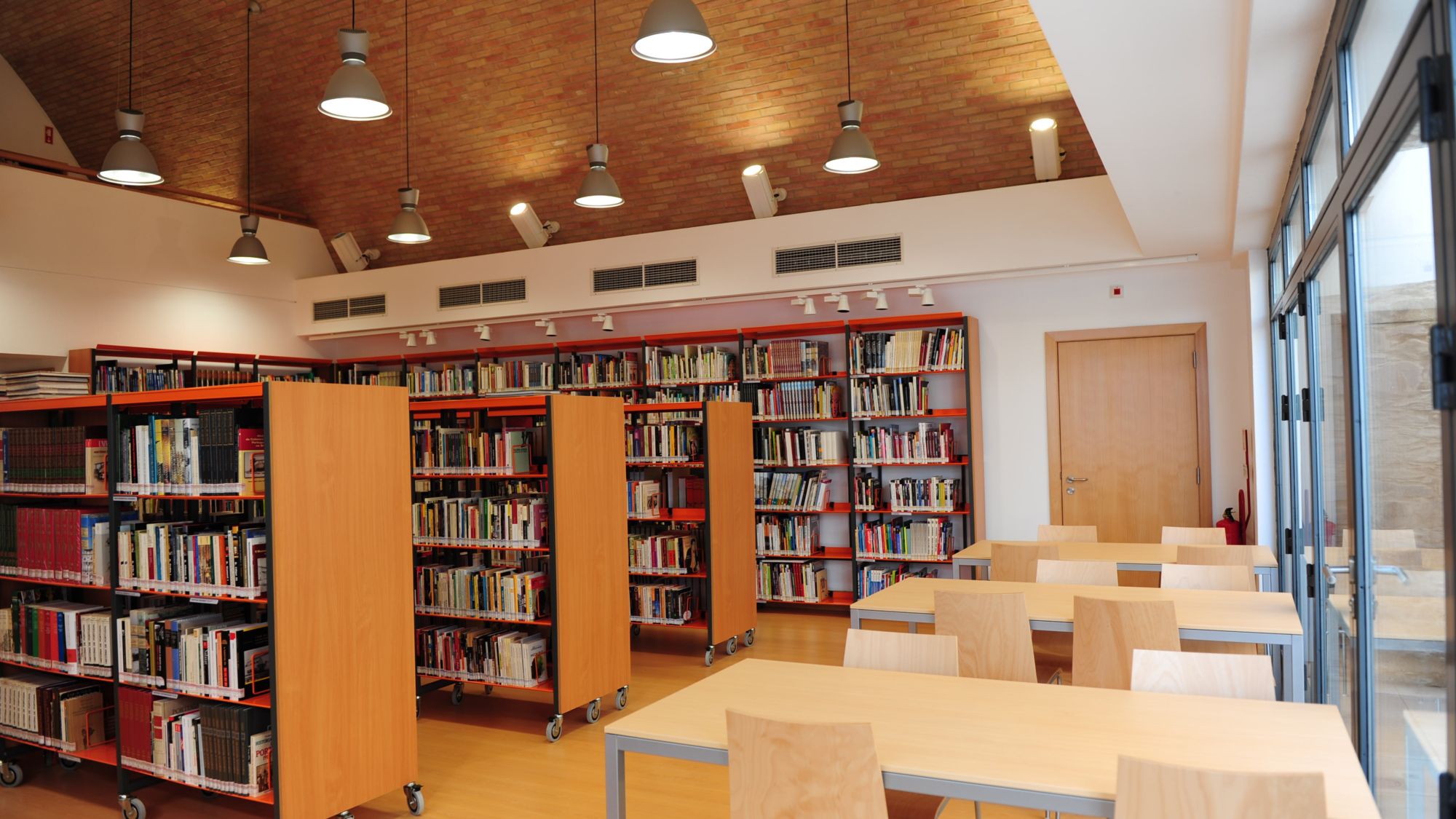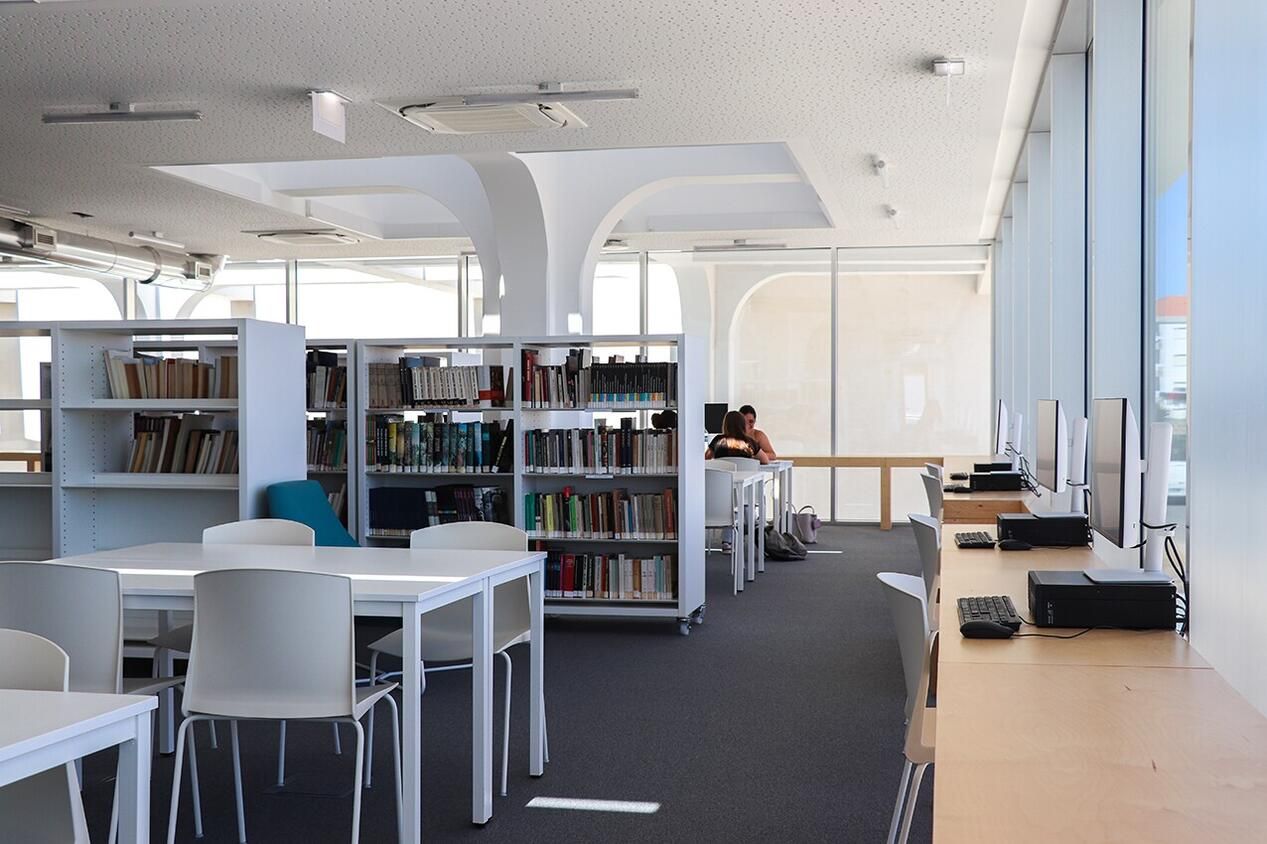

A school library is no longer just the room with the books. It is where pupils read for pleasure, study, work in groups, use computers and often spend their breaks. That is why school library furniture has to support several activities at once and withstand heavy daily use.
In this guide we set out what is worth considering before choosing shelving, tables and displays, drawing on Culturalis Borgeaud's experience equipping libraries since 1990.
More and more schools with a library
According to PORDATA, using data from Portugal's School Libraries Network (RBE), the network grew from 164 libraries in 1997 to 2,706 in 2025. That is thousands of spaces that need to be equipped, refurbished or adapted to new ways of learning.
View the chart data
| Total (libraries) | |
|---|---|
| 1997 | 164 |
| 2001 | 853 |
| 2005 | 1,649 |
| 2009 | 2,224 |
| 2013 | 2,423 |
| 2017 | 2,461 |
| 2021 | 2,541 |
| 2025 | 2,706 |
Source: PORDATA (RBE/MECI) · Number of school libraries in the network, state and private schools.
Many of these libraries were fitted out ten or twenty years ago. The room is still there, but the way pupils use it has changed: more group work, more devices and more activities outside lesson time.
The zones of a school library
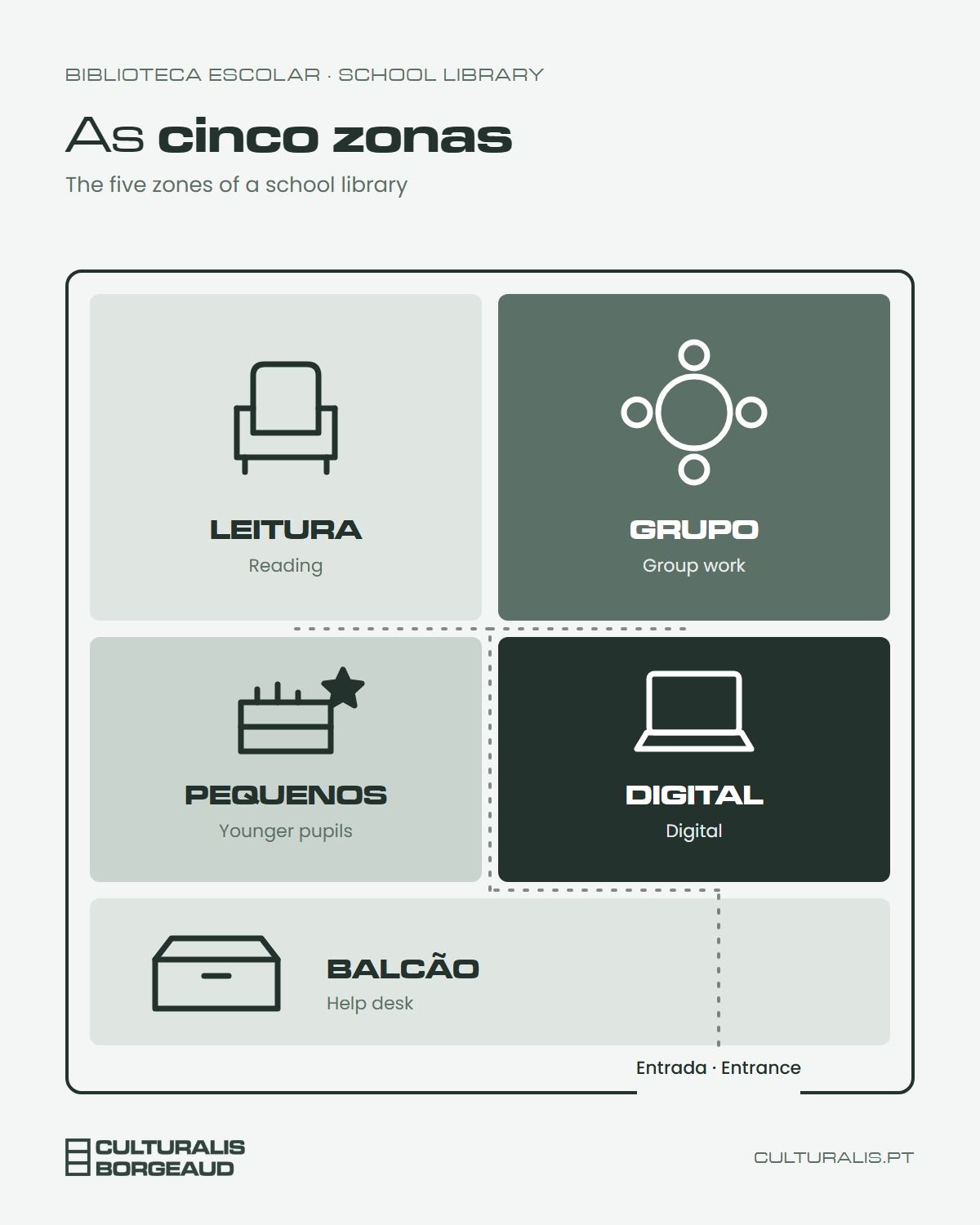
Before choosing furniture, it pays to map out the zones. Each one calls for different pieces:
- Informal reading area: comfortable seating, beanbags or sofas, and displays showing book covers face out.
- Study and group work area: tables that are easy to join and separate, with sturdy chairs.
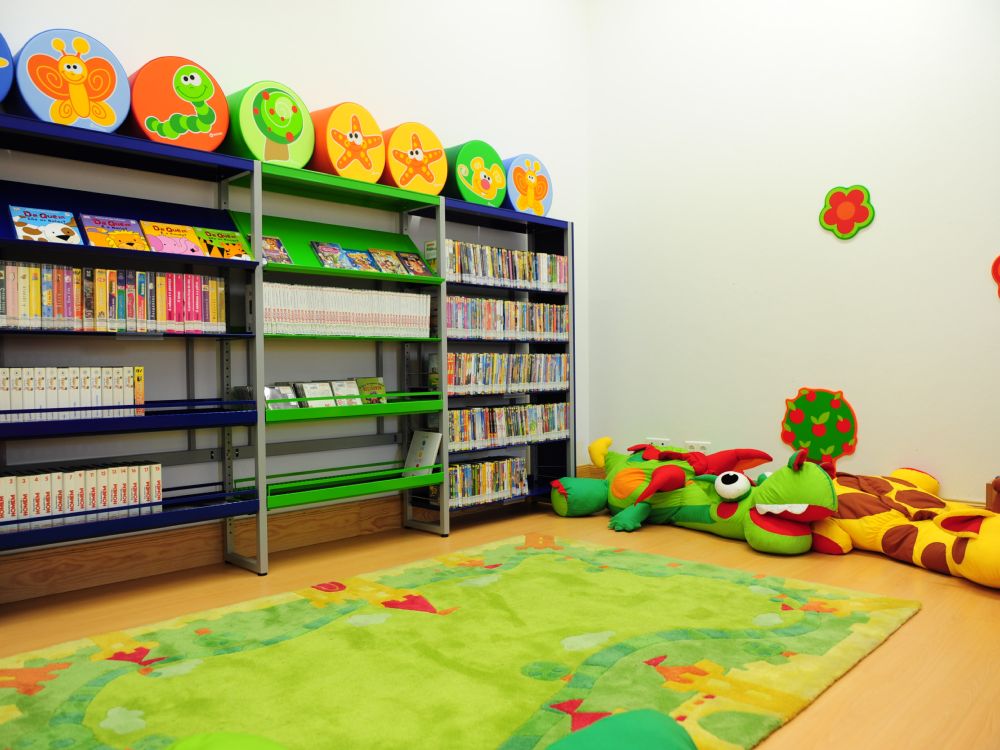
- Area for younger pupils: low shelving, boxes for picture books and rugs or seating at children's height.
- Digital area: tables with room for computers and cable management.
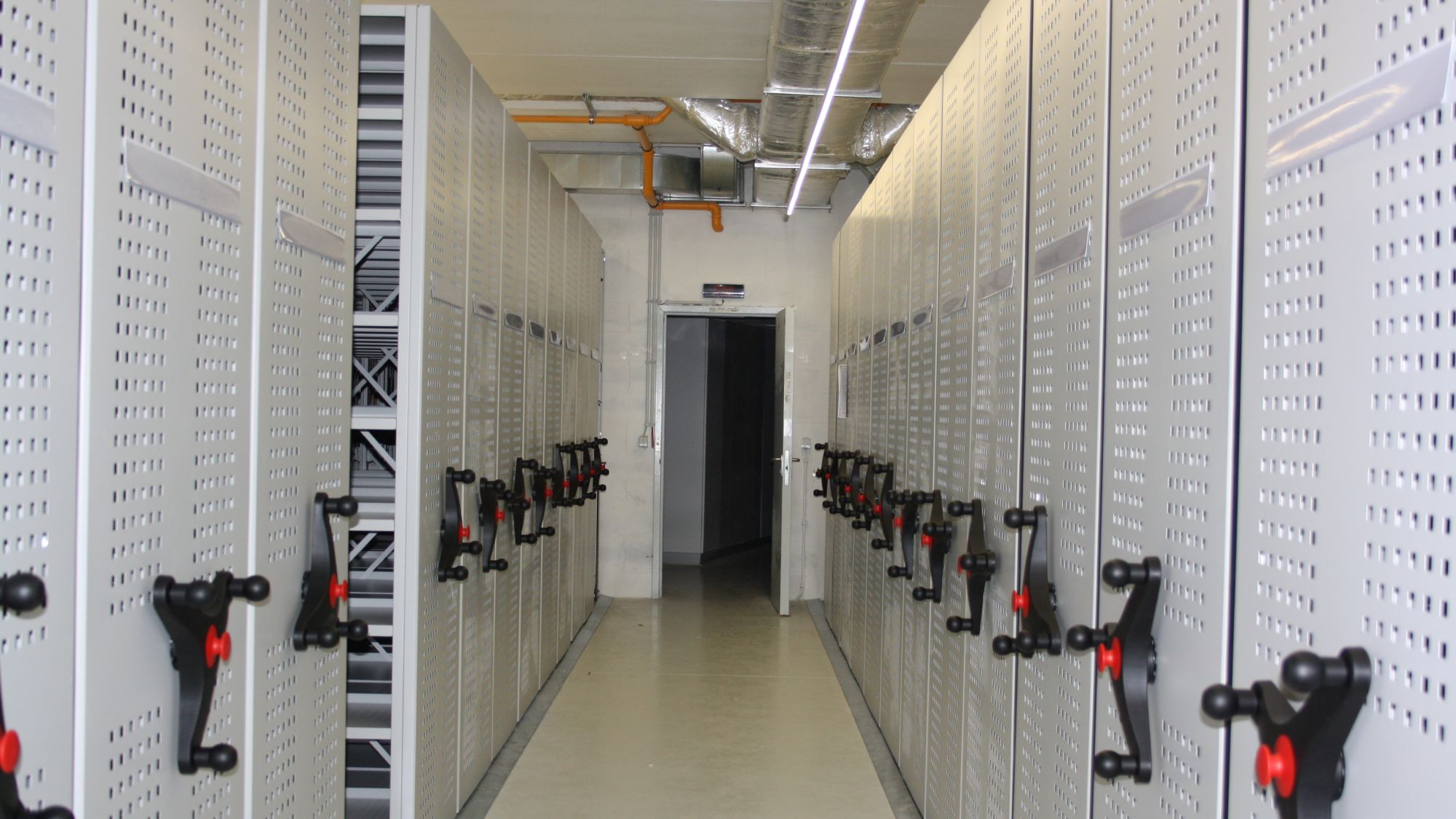
- Desk and storage: a clear help point and cupboards for materials that are not on display.
It is also worth thinking about light and noise: natural daylight should reach the reading and study places, and the group and younger pupils' areas should be kept away from the places meant for silent study.
Shelving that fits the people who use it
The same school may have pupils aged six and eighteen. Shelving should be within reach of whoever is looking for the books: lower where the youngest pupils are, and with adjustable shelves so it can follow changes in the collection over the years.
Display units make a real difference: a book with its cover on show is picked far more often than one showing only its spine. Shelving on castors also helps, freeing the centre of the room for a presentation, a story time or an exhibition of pupils' work.
Signage on the end panels of the shelving, with simple colours or icons for each subject area, helps pupils find the books they are looking for on their own and put them back in the right place.
Tables and chairs for everyday school life
In a school library, tables and chairs are used by hundreds of pupils every week. It is worth choosing robust pieces that are easy to clean and move, and tables that can be grouped into islands for group work or lined up for tests and individual study.
With schools in mind, Culturalis now represents VS, the German manufacturer specialising in school furniture and school library furniture. You can read more about this new partnership.
How to plan, step by step
- Survey the space: measurements, windows, power points and how people move around.
- Count the collection and estimate how much it will grow.
- Listen to the people who use the library: teacher librarians, pupils and support staff.
- Define the zones and the number of seats in each one.
- Make sure aisles are wide and access is easy for everyone, including wheelchair users.
- If the budget does not cover everything, equip in phases, starting with what is needed most.
Culturalis Borgeaud supports every project from the first study to final installation, with its own team. Explore our library furniture and browse the catalogues, including the VS catalogue.